


At the International Community School of Abidjan (ICSA) students are provided with opportunities to not only learn but also lead from the forefront. These opportunities open up both advantages and challenges that students continually learn and grow from. A question that often arises— why students choose to lead, while balancing academic responsibilities.
Students become leaders because they want to make a difference in the way events and situations are approached. An example is the current Student Council president, Tridev Kar. He stated that he chose to be a leader because he noticed “a lack of school spirit” since event engagement was low during events. He also noticed that there was a communication barrier between different grade levels. The odds of students from different grades and friend circles interacting were low. In response, he decided he wanted to lead others to fixing these issues by hosting events that would push students to interact and work together such as the logo and chant making activity on house launch day.
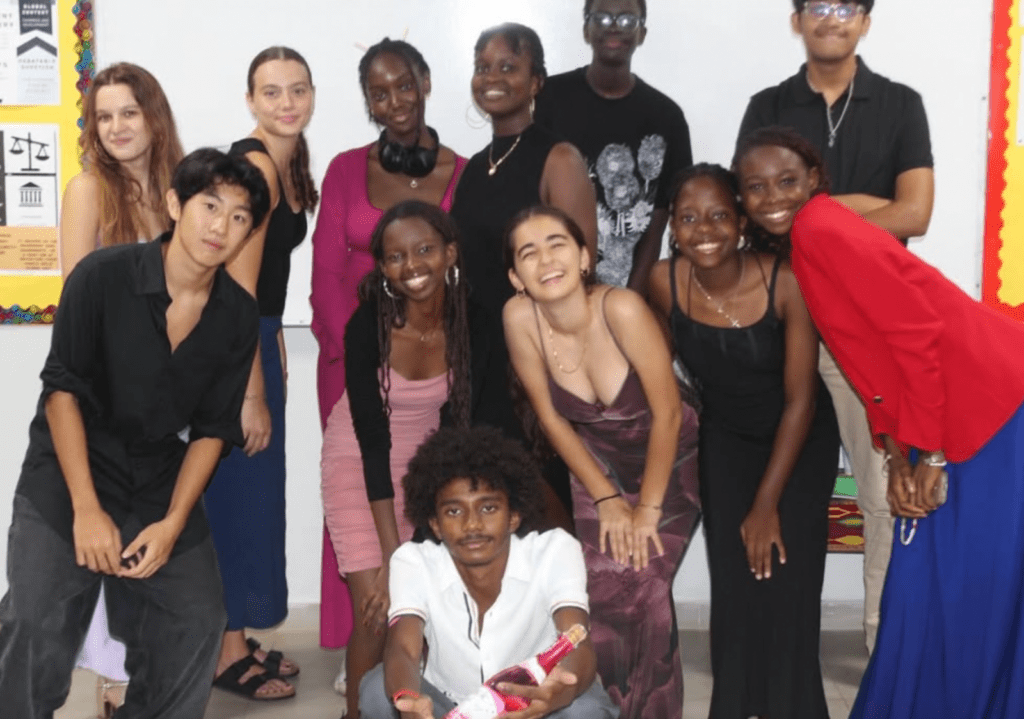
Moreover, when students become leaders, they acquire skills like public speaking, self-management and a confidence boost. Some choose to pass these skills on, and create leaders that have a similar impact or a greater one than them. Yasmeen Balogun, a 2026 ICSA senior, took on many roles such as Student Council president, Soccer Captain and a member of Diversity, Equity, Inclusion, and Justice (DEIJ). She conducted a leadership program as one of her CAS projects for the International Baccalaureate (IB). She taught young students how to lead, what it means to be a leader, why it is important and when to lead. She didn’t do this to tick box for her IB program, she did this to make a difference. She says “I wanted to empower others because public speaking can be scary at first”. This shows that her experience inspired her to teach how to overcome problems, which is a key attribute of a leader.
One of the students that attended the leadership program is Ani Kharatyan. She mentioned that she learnt what it means to be a leader and how to act in her role. She said that Yasmeen’s experience at the school prepared her for the journey because she would interact with similar people in the community. She got to understand the challenges and advantages of being a leader, and how much she needs to be aware. Now, she is the Cavoequiva president and ICSAinsight editor-in-chief, and she constantly applies the knowledge she has acquired.
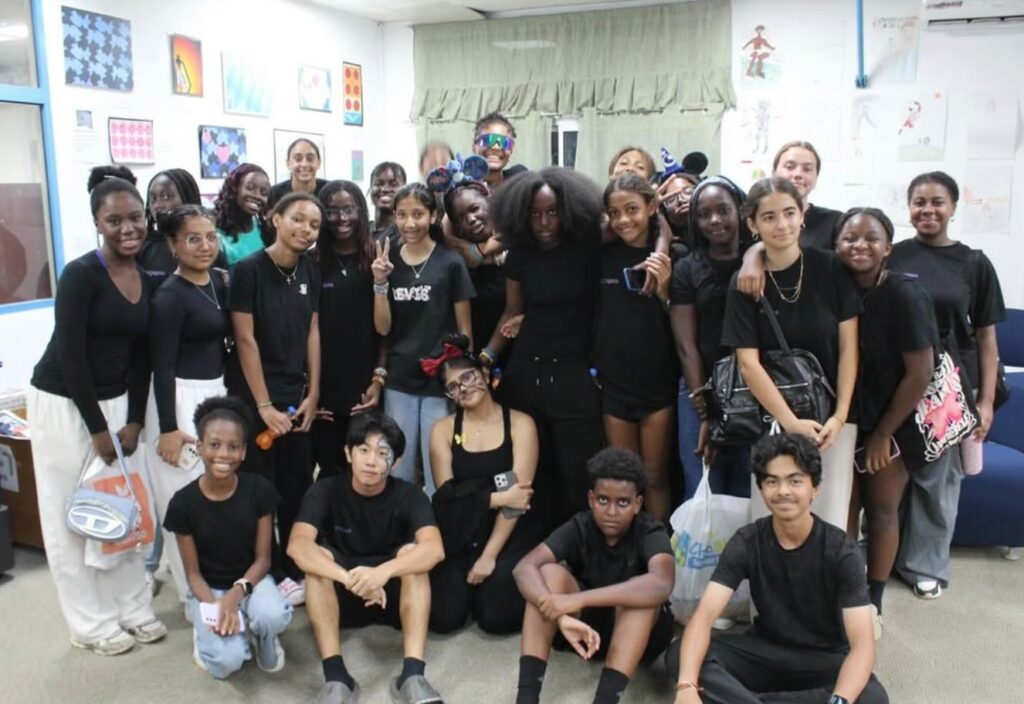
Through hosting events, leading, and essentially making a difference, students find that they learn, gain experiences and enjoy the feeling of huge achievements. This is only one of the many advantages shared that there is a feeling of satisfaction that follows when working so closely with many people. She says that “seeing people thrive and enjoy under your guidance is one of the best things I have ever felt”. Her experience highlights that leadership also supports personal growth as an individual. With these opportunities at hand, she has been learning to not only lead, but to work with others collaboratively towards greater achievements.
Although student leaders have amazing experiences, they also encounter challenges. A challenge with being a leader is navigating difficult conversations with close friends. Ani mentioned that it can be “uncomfortable” to have certain conversations with friends and address issues with someone close to you. Student leaders have to worry about maintaining friendships with close friends that they work alongside with. Students find it difficult to balance school work and leadership responsibilities. To conquer this difficulty, they have to learn how to manage their time to achieve both academic and leadership goals.
Ultimately, there are great opportunities available for students to learn what it truly means to lead. Students are able to grow as individuals and create a more inclusive learning environment helping meet ICSA’s mission; Learning and leading in a collaborative culture.